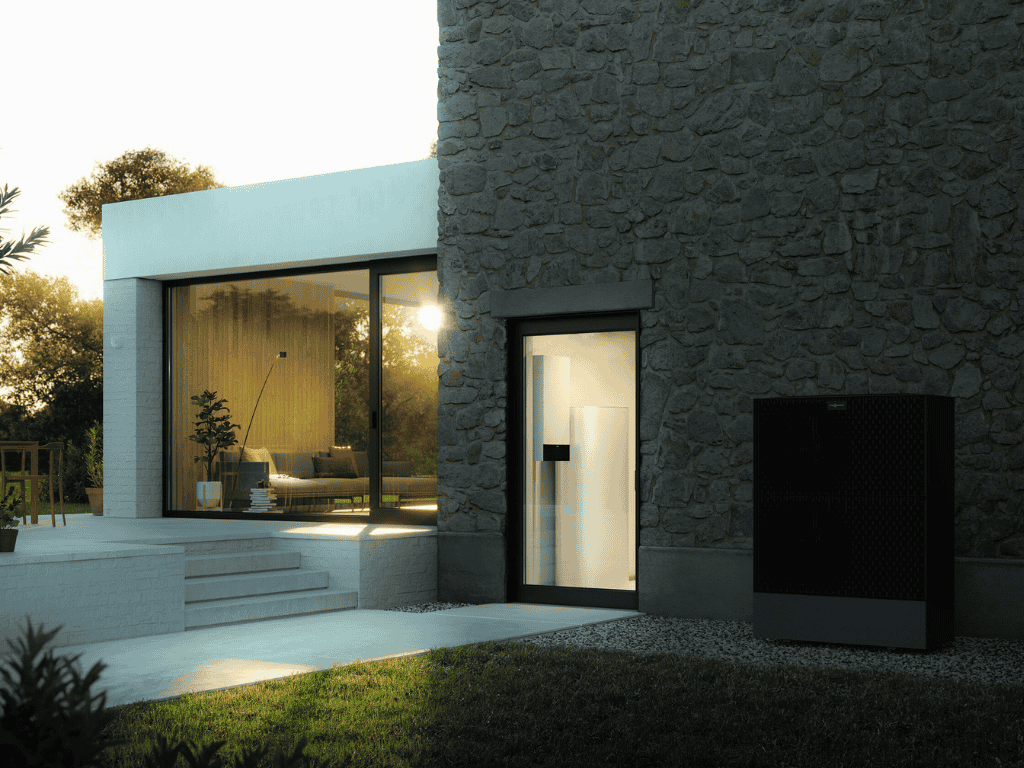
R290 Heat Pumps: What Installers Need to Know About Safety Zones and Clearances
Background and Context
R290 (propane) heat pumps are rapidly entering the UK market as a response to F-gas phase-down and decarbonisation targets. They offer low GWP and high efficiency, but use an A3 flammable refrigerant that requires clear, robust siting rules. European projects and industry bodies are already developing guidance for safe handling and installation of outdoor R290 air-to-water heat pumps, recognising the increased flammability risk and the need for harmonised practice.
In the UK, however, there is no national, regulator-owned siting standard for outdoor R290 heat pumps. The current de facto framework is the Heat Pump Association’s statement, which explicitly says that manufacturers may adopt different approaches to mitigating risk and that installers must follow the individual manufacturer’s instructions.
Why R290 Needs Special Attention
R290 (propane) is an A3 refrigerant — highly flammable, efficient, and increasingly common in modern heat pumps. But unlike traditional refrigerants, it requires clear safety-zone thinking.
The challenge?
There is no UK-wide standard for siting outdoor R290 heat pumps. Each manufacturer sets its own rules (mostly adopted from other countries with specific requirements), and they don’t always match.
What This Means for Installers
1. Always check the manufacturer’s safety-zone diagram
This is your primary legal reference.
But be aware: EU manuals often include more detail than UK versions.
R290 Outdoor Unit Safety Zone
R290 (propane) used in modern heat pumps is classified as A3 – highly flammable under ISO 817 and ANSI/ASHRAE 34.
Because the refrigerant circuit is located in the outdoor unit, a minimum 1-metre safety zone must be maintained around the unit where specific restrictions apply.
This safety zone ensures that leaked refrigerant cannot accumulate near ignition sources, openings, or confined spaces.
What must NOT be within the 1-metre safety zone
Building and ventilation features
Windows, doors, light wells, rooflights
Outdoor air inlets or exhaust outlets from ventilation/AC systems
Boundaries and access routes
Property boundaries
Neighbouring properties
Footpaths, driveways, or public access routes
Drainage and ground features
Pump chambers
Wastewater inlets, downpipes, gullies, drains
Depressions, troughs, slopes, pits or shafts where gas could collect
Electrical infrastructure
Main electrical supply entry points
External sockets, lamps, switches, or other electrical systems
Other hazards
Areas where snow or ice can fall from roofs onto the unit
Ignition sources that must NOT enter the safety zone
Naked flames, burners, or pilot lights
Barbecues or grills
Tools that generate sparks (e.g. grinders, welders)
Electrical devices that are not ignition-protected, including mobile phones, tablets, fitness watches, etc.
Any object or surface exceeding 360°C
Purpose of the safety zone
The 1-metre zone is designed to:
Prevent ignition of leaked refrigerant
Avoid gas accumulation in confined or recessed areas
Ensure safe dispersion of propane in the event of a release
Protect installers, occupants, and neighbouring properties
For more details see manufacturers documentation
Treat the unit like a fixed propane appliance
HSE rules for propane cylinders offer a useful mindset:
Keep away from openings
Keep away from ignition sources
Ensure ventilation
Requirements for the competent persons
Maintenance and repair requiring the assistance of other skilled personnel should be carried out under the supervision of the person competent in the use of flammable refrigerants. Any person conducting servicing or maintenance on a system or associated parts of the equipment should be competent according to BS EN 13313:2010 Refrigerating systems and heat pumps. Competence of personnel. Persons working on refrigerating systems with flammable refrigerants should have competence in safety aspects of flammable refrigerant handling supported by evidence of appropriate training. This will include the following requirements Evacuation: knowledge of legislation, regulations and standards relating to flammable refrigerants; detailed knowledge of and skill in handling flammable refrigerants, personal protective equipment, refrigerant leakage prevention, handling of cylinders, charging, leak detection, recovery and disposal
Why This Matters
Safety
Liability
Consistency
Consumer confidence
Until the UK develops a national standard, installers must apply manufacturer guidance + professional judgement + propane safety principles.
Final Thought
R290 is the future — but only if we install it safely and consistently. A UK-wide framework would help everyone: installers, manufacturers, and homeowners.